Goodyear, AZ · On-Demand Water Heating · Annual Descaling
Tankless Water Heater Services in Goodyear, AZ
Tankless water heaters perform differently in Arizona than in softer-water markets. Goodyear's 250 to 400 ppm water demands annual descaling to maintain heat exchanger efficiency. We install, service, and repair all major tankless brands across the West Valley.
Tankless water heaters in Goodyear's hard water market
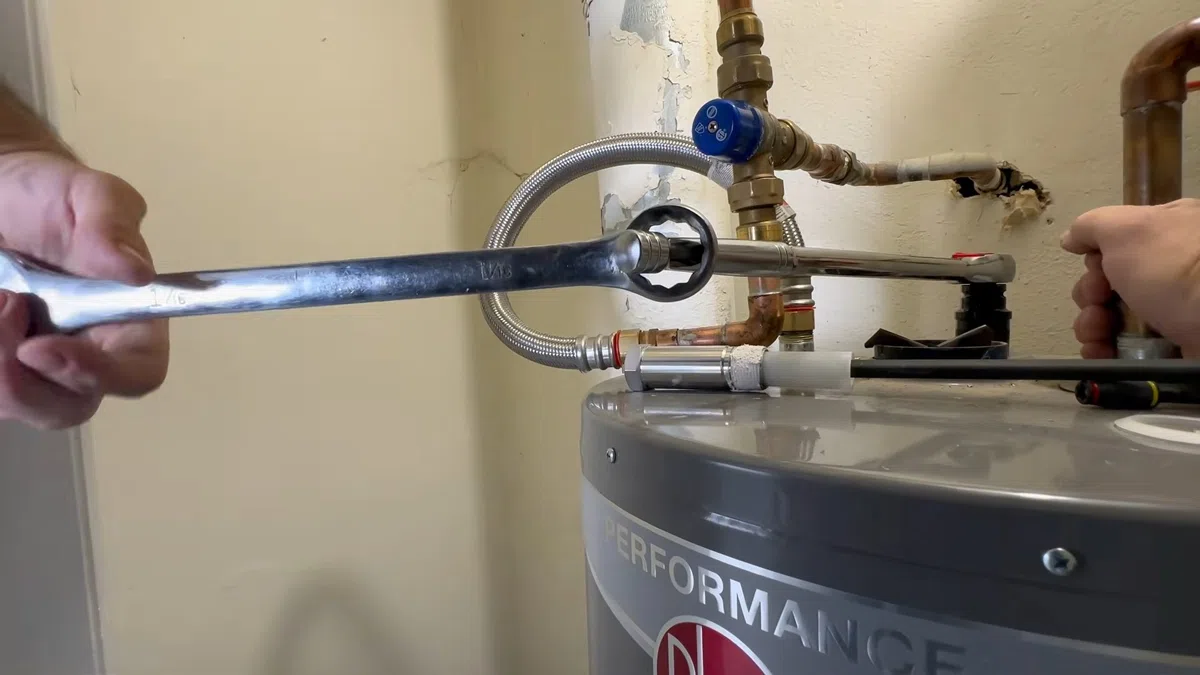
The appeal of a tankless water heater is real: on-demand hot water, no standby heat loss, a compact footprint, and a longer rated service life than tank units. In Goodyear, however, hard water at 250 to 400 ppm changes the maintenance equation significantly. The heat exchanger inside a tankless unit is a tightly wound coil of copper or stainless steel tubing. As water heats rapidly in that coil, calcium and magnesium precipitate out of solution and adhere to the coil walls. Unlike a tank heater where sediment falls to the floor, scale in a tankless unit builds on the heat exchanger surface, progressively reducing heat transfer efficiency and eventually restricting flow.
A tankless heater in Goodyear that is not descaled annually will typically show reduced output within two years and may experience heat exchanger failure within four to five years. With annual descaling, most units reach or exceed their 20-year rated service life. The descaling process runs a citric acid or vinegar solution through the heat exchanger coils under low pressure, dissolving accumulated mineral deposits. We recommend scheduling descaling at the same time each year so it doesn't get skipped.
Pairing a tankless unit with a whole-home water softener reduces mineral load at the heat exchanger source, extending descaling intervals to 18 to 24 months and protecting the unit's long-term performance more reliably than descaling alone.
Tankless water heater services we provide in Goodyear
New tankless installation
We install gas and electric tankless units from Navien, Rinnai, Rheem, Bradford White, Noritz, and other major brands. Most whole-house gas tankless installations require a gas line upgrade from the typical half-inch supply to a three-quarter inch line. The ignition system requires a dedicated electrical circuit. We assess the gas and electrical requirements during the estimate visit and include them in the quoted price. We also handle City of Goodyear permit filing for new tankless installations.
Annual descaling maintenance
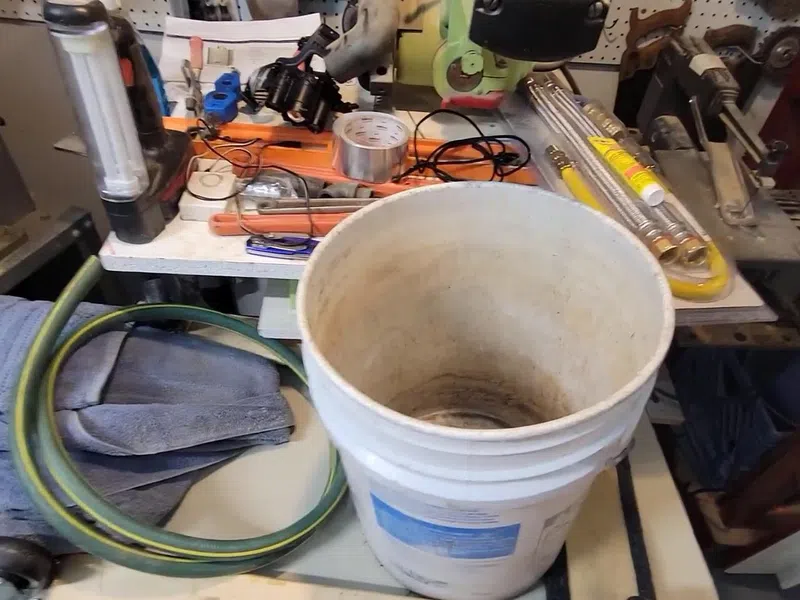
The standard descaling process takes one to two hours. We isolate the tankless unit with service valves, connect a recirculation pump and a bucket of citric acid or food-grade descaling solution, and run the solution through the heat exchanger coils until scale is dissolved. We flush the unit with fresh water and check the inlet filter screens, outlet connections, and ignition components before completing the service. We document the unit's condition and flag any developing issues for follow-up.
Repair and error code diagnosis
Most major brand tankless units display error codes that identify the failing component or condition. Common causes of error codes in Goodyear include ignition failures from dirty or worn ignitors, flow sensor failures from mineral deposits, and venting pressure switches triggered by blocked or restricted flues. We carry common replacement parts for Navien, Rinnai, and Rheem units. Parts for less common brands are typically available within one to two business days.
Gas line upgrades for tankless conversion
Converting a Goodyear home from a tank water heater to a tankless unit usually requires increasing the gas supply line size. Most Goodyear homes were originally plumbed with a half-inch gas line to the water heater location. Most whole-house tankless units, which have BTU inputs of 140,000 to 199,000, need a three-quarter inch line, sometimes three-quarter inch from the meter depending on run length. We size the gas line correctly for the unit and run length as part of every tankless conversion. See our gas line installation page for more on gas work we handle.
Sizing a tankless unit for a Goodyear home
Tankless units are rated in gallons per minute at a given temperature rise. In Goodyear, incoming groundwater temperature averages around 70 to 75 degrees Fahrenheit year-round. Reaching a delivery temperature of 120 degrees requires a temperature rise of 45 to 50 degrees. A correctly sized whole-house unit handles simultaneous demand — a shower running while the dishwasher is in its hot cycle — without a drop in output temperature.
The most common sizing error we see in Goodyear homes is a unit specified for a cooler-water market: a unit rated for a 35-degree temperature rise in the Pacific Northwest will struggle with Goodyear's demand for a 50-degree rise at the same flow rate. We size every unit to Arizona conditions. For homes with a pool, outdoor kitchen, or multiple high-demand points, we calculate the simultaneous peak load before recommending a unit capacity.
Tankless water heater service areas in the West Valley
We install, descale, and repair tankless water heaters across all Goodyear communities and surrounding West Valley cities: Palm Valley, Estrella Mountain Ranch, PebbleCreek, Avondale, Litchfield Park, and Surprise. Annual descaling appointments can be scheduled in advance on a recurring basis so the service does not get skipped.
Tankless water heater questions
Tankless water heater questions for Goodyear homes
How often does a tankless water heater need to be descaled in Goodyear?
For most Goodyear homes without a water softener, annual descaling is the right schedule. The heat exchanger in a tankless unit is a tightly coiled copper or stainless steel core that heats water on demand. At 250 to 400 ppm, mineral scale accumulates inside those coils quickly. Homes with a whole-home water softener can typically extend to 18 to 24 months between descaling cycles.
Does a tankless water heater actually save money in Arizona?
Yes, but the savings are smaller in Arizona than in colder climates. Tankless units eliminate standby heat loss, which matters most in climates where the water in the tank constantly loses heat to the surrounding air. In Goodyear's warm climate, standby loss is lower to begin with. The savings are real, but the payback period is longer than manufacturers' marketing suggests in hot-desert markets. The bigger advantage in Goodyear is the unlimited hot water supply and the smaller physical footprint.
What brands of tankless water heaters do you service in Goodyear?
We install and service Navien, Rinnai, Rheem, Bradford White, Noritz, and EcoSmart units. We also service older units from brands that have been discontinued or absorbed. Most error codes on major brand units are diagnosable with standard equipment, and most parts are available within one to two business days. We do not turn away an unfamiliar brand at the door.
Can a tankless water heater supply my whole house in Goodyear?
Yes, if properly sized. A tankless unit is rated by its flow rate in gallons per minute and its temperature rise capacity. In Goodyear, incoming groundwater temperature averages around 70 to 75 degrees Fahrenheit. Reaching a standard delivery temperature of 120 degrees requires a 45 to 50 degree temperature rise. A properly sized unit can supply multiple simultaneous demand points. Undersized units, which we sometimes find in homes where a small unit was installed to save cost, produce tepid water during peak demand.
What is involved in converting from a tank heater to a tankless unit in Goodyear?
Most conversions require a gas line upgrade. Tank heaters typically use a half-inch gas line; most whole-house tankless units need a three-quarter inch line. Electrical work may also be required for the ignition system and control board. The old unit must be removed and the flue modified for the new exhaust configuration. We assess all of this during the estimate visit and provide a full-scope price before any work begins.
Schedule tankless service in Goodyear
Annual descaling, installation, and repair for all major brands. Free estimates on new installation or conversion.
(623) 323-3182 — Call Now