Goodyear, AZ · Trenchless & Traditional · West Valley
Sewer Line Repair in Goodyear, AZ
Goodyear's master-planned communities connect to the city's municipal sewer system. Camera inspection first, then the most cost-effective repair: trenchless pipe bursting, CIPP lining, or traditional excavation with experience in Goodyear's caliche soil.
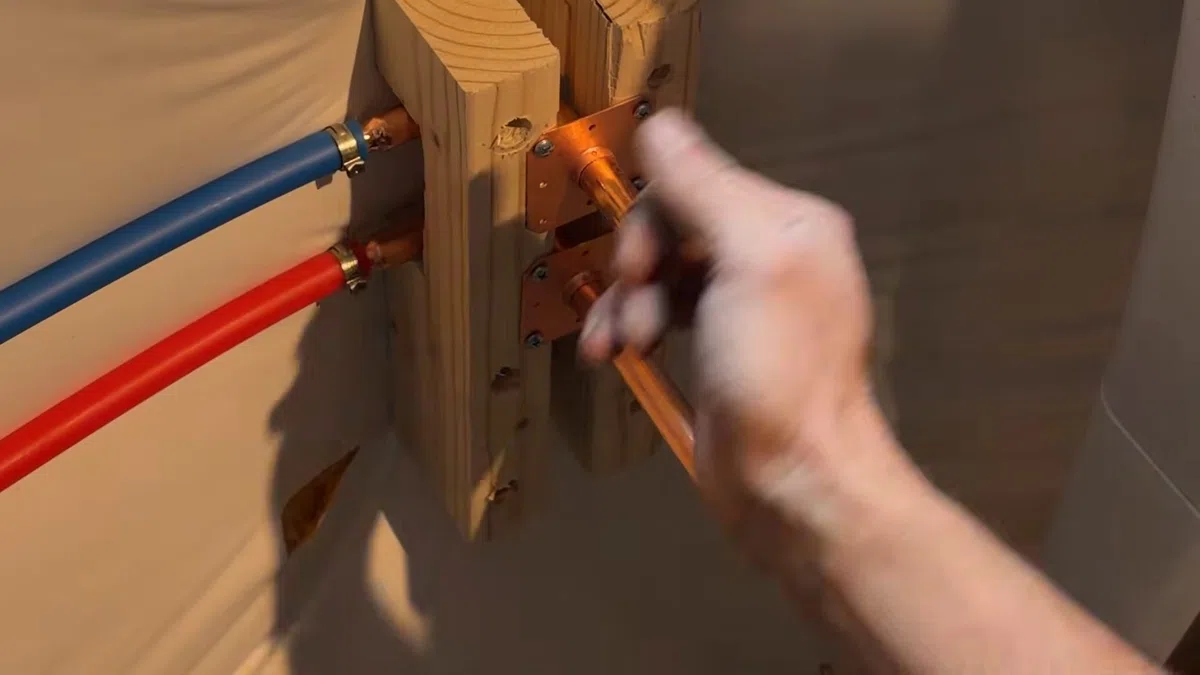
Signs of a sewer line problem in a Goodyear home
Multiple slow drains occurring at the same time, particularly when they include first-floor toilets or floor drains, indicate a problem in the main sewer lateral rather than an individual fixture drain. A single slow shower drain is a fixture problem. Three slow drains and a sluggish toilet are a main line problem. The distinction matters because fixture-level clearing does not address main line blockages, and it can cause sewage to back up into the lowest fixture in the home if the main line is already close to fully blocked.
A sewer gas smell inside the home without an obvious dry trap nearby points to a break or offset in the sewer line that is allowing gases to escape into the soil and back into the structure through a penetration. Wet or spongy ground along the path between your home and the street, without irrigation in that area, can indicate a lateral leak. Any of these signs warrants a camera inspection as the first step — not a drain clearing attempt without knowing what you're working with.
Goodyear monsoon seasons regularly expose latent sewer issues. As ground saturation rises during heavy rainfall events, groundwater can infiltrate through cracks in the sewer lateral and increase the flow in the line beyond what a partial blockage can handle. Homeowners sometimes first notice a sewer problem only during or after a monsoon event, even though the underlying issue has been developing for months.
Sewer line repair methods for Goodyear homes
Camera inspection and diagnosis
Every sewer line repair engagement starts with a camera inspection. We insert a waterproof camera into the main cleanout and advance it through the lateral, recording the full interior of the pipe. This shows us the exact location of any root intrusion, pipe cracks, offset joints, belly sections where the pipe sags, or collapsed areas. We provide the homeowner with the footage and a written report before recommending any repair method. No reputable sewer repair job should begin without a confirmed diagnosis.
Trenchless pipe bursting
Pipe bursting is the most efficient trenchless repair for severely deteriorated sewer laterals. A bursting head is fed through the old pipe from a small pit at one end to a receiving pit at the other. As the head advances, it fractures the old pipe outward into the surrounding soil while pulling new HDPE pipe into the void left by the old pipe. The new pipe is continuous, joint-free, and resistant to the root intrusion that affected the original. Pipe bursting in Goodyear requires small access pits at each end, but no trench along the full pipe run, which significantly reduces landscape disturbance and caliche excavation cost.
CIPP lining
Cured-in-place pipe (CIPP) lining installs a new pipe surface inside the existing pipe without requiring pipe removal. A felt liner saturated with epoxy resin is inserted into the damaged pipe, inflated against the pipe wall, and cured in place. The result is a smooth, continuous new interior surface that seals cracks, bridges offset joints, and eliminates rough surfaces where root entry would otherwise begin. CIPP does reduce pipe interior diameter slightly — typically by a quarter to three-eighths of an inch — which is acceptable for most residential applications but worth noting for flows at the edge of the pipe's capacity.
Traditional excavation with caliche experience
Some sewer repairs require open-trench work — when the pipe has fully collapsed, when access for trenchless equipment is limited, or when the lateral runs under a structural element. In Goodyear, caliche is a hardpan calcium carbonate deposit that occurs at varying depths and significantly increases excavation time and equipment requirements. We have direct experience with caliche excavation in the West Valley and factor it into repair timelines and estimates. Backfill and surface restoration are included in our traditional sewer repair scope.
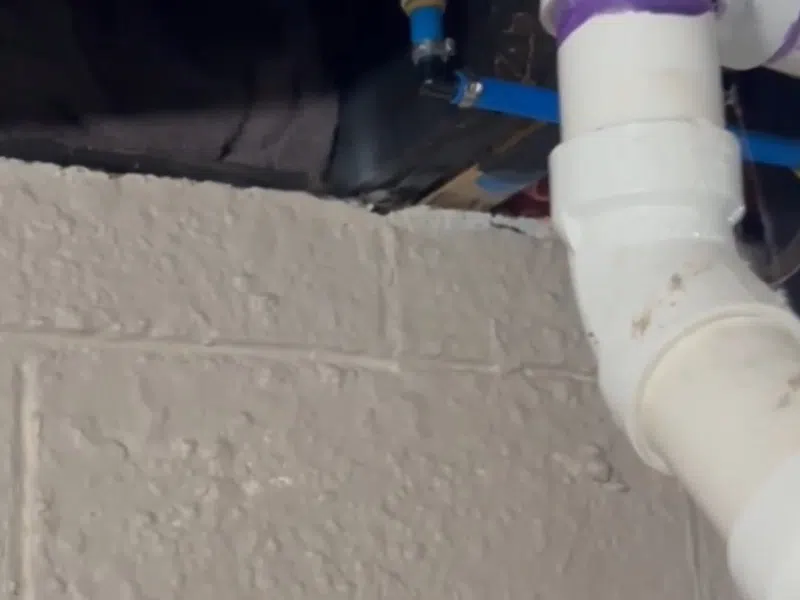
Common causes of sewer line problems in established Goodyear neighborhoods
Root intrusion is the most common cause in Palm Valley, Estrella Mountain Ranch, and PebbleCreek homes with mature landscaping. Desert tree root systems — mesquite, palo verde, and ornamental species common in West Valley developments — are extensive and moisture-seeking. Sewer laterals carrying warm, moist wastewater are a reliable moisture source. Roots enter through small cracks or joint gaps that are too small to show obvious symptoms initially, and the root mass grows over years until flow is severely restricted.
Soil movement from monsoon saturation and dry-season contraction causes joint separation and pipe belly formation in sewer laterals. Goodyear's alluvial soil has enough clay content to expand noticeably when saturated. Repeated expansion and contraction cycles over 15 to 25 years can shift a pipe run enough to open a joint gap or create a low spot where debris accumulates. This type of structural damage requires repair rather than just clearing.
Original installation quality is also a factor. Homes built during Goodyear's rapid-growth periods of the late 1990s and early 2000s were constructed under time pressure that occasionally affected installation quality. Shallow burial, incorrect pipe slope, or joints that were never properly made can show up as problems years later. A camera inspection is the only way to distinguish installation-quality issues from root or soil-movement problems, which is why we inspect before recommending any repair approach.
Sewer line repair service areas in the West Valley
We repair sewer lines in all Goodyear communities and surrounding West Valley cities: Palm Valley, Estrella Mountain Ranch, PebbleCreek, Avondale, Litchfield Park, and Surprise. We are familiar with City of Goodyear permit requirements for sewer work in both the south-of-I-10 and north-of-I-10 service areas and coordinate permit filing and inspection as part of every sewer repair job.
Sewer line repair questions
Sewer line repair questions for West Valley homeowners
How do I know if I have a sewer line problem in my Goodyear home?
Several signs point to a sewer line issue rather than a fixture-level drain problem. Multiple slow drains or toilets at the same time suggest the problem is downstream of all of them, meaning the main sewer lateral. Sewer gas smell inside the home without an obvious trap failure nearby. Wet patches in the lawn or planting beds along the line's route without an irrigation explanation. A toilet that gurgles when you run the kitchen sink, which indicates air displacement from a partial blockage. Any of these warrants a camera inspection rather than a drain clearing attempt.
What is the difference between trenchless and traditional sewer repair?
Traditional sewer repair excavates a trench along the damaged pipe, removes the old pipe, installs new pipe, and backfills. It requires significant digging, especially in Goodyear where caliche layers make excavation more labor-intensive. Trenchless methods use the existing pipe as a guide. Pipe bursting feeds a bursting head through the old pipe from one access point to another, fracturing the old pipe outward and pulling new pipe into place as it advances. CIPP lining feeds a resin-saturated liner into the pipe and inflates it, curing in place to form a new pipe surface inside the old one. Both trenchless methods require only small access pits at each end rather than a full trench.
How long does sewer line repair take in Goodyear?
Camera inspection takes one to two hours. A trenchless pipe bursting repair, once located and accessed, typically takes four to eight hours for a standard residential lateral. CIPP lining time depends on the length of the affected section and the curing method. Traditional excavation time depends heavily on depth, caliche layer hardness, access conditions, and the length of the affected section. We provide a realistic timeline during the estimate.
Do you coordinate with the City of Goodyear for sewer work?
Yes. The City of Goodyear requires a permit for sewer lateral work, and we file for it and coordinate the inspection. Work that connects to the city main sewer requires compliance with city specifications for the connection point. We have performed sewer work in Goodyear and are familiar with the permit and inspection process for both the south-of-I-10 and north-of-I-10 service zones.
What causes sewer line problems in established Goodyear neighborhoods?
Root intrusion is the most common cause in Palm Valley and Estrella Mountain Ranch homes with mature landscaping. Root systems from desert and ornamental trees seek the moisture in sewer laterals and enter through small cracks or joint separations. Over time, root mass grows large enough to block flow completely. The second most common cause is joint failure in PVC or ABS laterals from soil movement — Goodyear's alluvial soil expands during monsoon saturation and contracts during dry periods, which stresses pipe joints over many cycles. Original installation quality is also a factor in homes built during rapid-growth periods where inspection resources were stretched.
Schedule sewer line camera inspection in Goodyear
Camera inspection first, repair estimate second. Trenchless and traditional options across Goodyear and the West Valley.
(623) 323-3182 — Call Now